
How Mindfulness Changed My Experience as a Teacher
by Julie Sleilaty
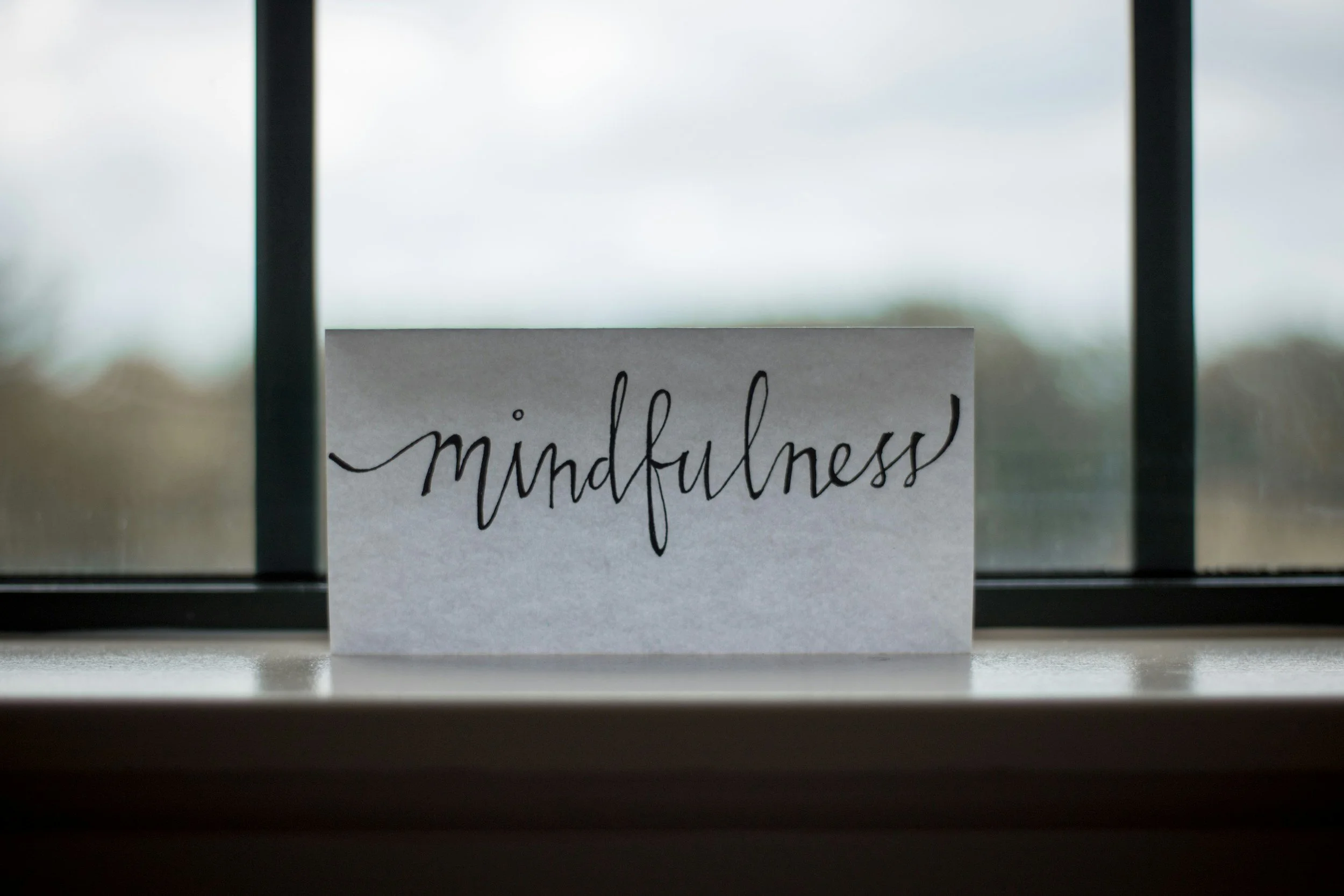
This time of year has always felt like a reset for me. With the cooler air, the changing of the leaves, and the way that nature just seems to know what to do, Fall is a season of letting go, noticing, and finding new rhythms in our daily routines.
I especially loved teaching during the fall. I loved the cozy themes I could incorporate into my second-grade classroom, watching my students settle into our routines, and feeling the sense of comfort begin to settle within the four walls of our classroom. In many ways, fall has always felt like a metaphor for teaching. There is a letting go of what was, a settling into new rhythms, and a gradual sense of finding our way together.
It didn’t always feel this way. As someone who has struggled with anxiety since childhood, there were many times early in my teaching career when that familiar physical feeling that anxiety brought with it would enter the room with me. The tightness in my chest, the pit in my stomach, and the racing thoughts often showed up alongside me, and that was hard.
Choosing a Different Approach
About seven years into my teaching career, during a particularly difficult time in my life, what I had always been able to manage began to take on a life of its own. For the first time in my experience with anxiety, I began having panic attacks, and they were terrifying. I knew I needed to do something different.
At that point, Mindfulness was a concept I had heard about frequently in various contexts, but it wasn’t until a therapist suggested it because of its potential benefits for anxiety, that I decided to learn more about it and give it a try.
I started by downloading a meditation app on my phone and practicing a few minutes of guided exercises each day. Over time, as my understanding of mindfulness deepened, I began to realize that mindfulness isn’t just meditation, nor is it about getting rid of negative thoughts or difficult emotions. Instead, it’s about noticing our inner and outer experiences without immediately judging or reacting to them.
For me, it was a subtle but powerful shift in my inner dialogue. Instead of asking myself, “What’s wrong with me?” I began to ask, “What is this feeling trying to tell me?” and as I started experiencing the benefits of this practice, I couldn’t help but wonder what might have been different for me if I had learned these skills as a child. That was the year mindfulness became a central part of my classroom culture and ultimately changed my experience as a teacher.

When Students Learn to Be Present
Teaching and practicing mindfulness alongside my second graders became a game changer in my career. It broadened my perspective when I was dealing with challenging behaviours, but more importantly, it allowed me to experience my days with more presence.
Perhaps the most significant impact I noticed was on my young students. I remember being told by the lunchroom supervisor at my school about a little one in my class using Five-Finger Breathing to calm himself after getting hurt at recess. Having regular conversations with my students about their brains, emotions, and bodies as easily as if we were talking about the weather and seeing them independently choose a strategy they had learned when they became overwhelmed really solidified for me just how much these skills matter.
Understanding their bodies, minds, emotions, and behaviours gives kids a sense of empowerment and agency over their experiences. Instead of simply being told to calm down or behave differently, they were learning to understand what was happening inside of them and given the tools to help them respond.

Mindfulness Starts with Us
There was something else I came to understand through teaching mindfulness to my students. We can’t teach children about noticing, self-awareness, compassion, and presence without also being willing to model those things ourselves.
This doesn’t mean that teachers are solely responsible for the emotions or behaviours of the students in their classrooms. We know that children’s regulation is influenced by many factors, both inside and outside of school. It does, however, point to the importance of remembering that mindfulness begins with us, too.
A teacher’s day is full. We’re trying to meet curriculum expectations, make countless decisions, respond to individual needs, navigate relationships, manage behaviours, and support the emotions of upwards of 30 students. All at once. Teaching is, at its heart, a deeply compassionate profession, yet it can be surprisingly easy to forget to extend the same compassion we show our students to ourselves. That includes letting go of the expectation that we have to do everything perfectly.
Micro-Moments of Regulation
In my more recent work with teachers, the most common question I hear about cultivating a personal mindfulness practice is, “How do I fit it all in?”
That’s a very fair question. We often think about mindfulness as something that requires us to set aside dedicated time to practice. While there is certainly value in intentional practice, what has worked best for me is noticing the moments that are already there.
Think of these as micro-moments of regulation. They are brief, intentional moments when we pause long enough to notice what is happening in our mind, body, or surroundings. Most importantly, they do not require another thing to add to the to-do list.
One way to create these moments is to use environmental cues that are already part of your school day. For example, the morning recess bell could become a signal to stop, take three slow breaths, and do a quick mental check-in: How am I feeling? What am I noticing in my body? What do I need right now?
Another simple way to weave mindfulness into the day is to practice with your students. If you are teaching them a breathing strategy, breathe with them. If you’re guiding them through a moment of noticing, notice alongside them. You don’t always have to be perfectly calm standing at the front of the room. You can show your students that you’re learning, too.
Finally, taking a moment at the end of the day to reflect can also be a powerful practice. Before heading home, ask yourself: What is one thing I want to carry with me? What is one thing I can leave until tomorrow? Sometimes, the most meaningful moments of mindfulness are when we notice what we are carrying and give ourselves permission to put some of it down.

Coming Back to the Present
As we move through this school year, I encourage teachers to ask themselves this simple question: Where, in my school day, is there already a small space where I could pause and notice? Maybe it’s when the bell rings, while your students are settling into their morning routine, or during a walk down the hallway. Whatever you decide, start there.
And as I reflect on my own mindfulness journey, I come back to the same question: Do I still struggle with anxiety? Yes. And I probably always will to some degree. But what I’ve learned is that practicing mindfulness was never about curing my anxiety. It was about learning how to be present for the moments I was already experiencing, anxiety and all. And somewhere along the way, I realized that being present didn’t just change how I experienced the world around me, it changed how I experienced teaching.
Julie Sleilaty

Julie Sleilaty is a Well-being Education Specialist with the Werklund Institute for Social and Emotional Intelligence. She's an educator, mindfulness coach, and consultant with years of experience supporting children and educators. Julie holds a Master of Education specializing in Educational Neuroscience and Children’s Mental Health. Her work bridges research and practice, helping educators translate understanding of the brain, well-being, and learning into practical strategies that foster connection, resilience, mindfulness, and well-being in school communities.